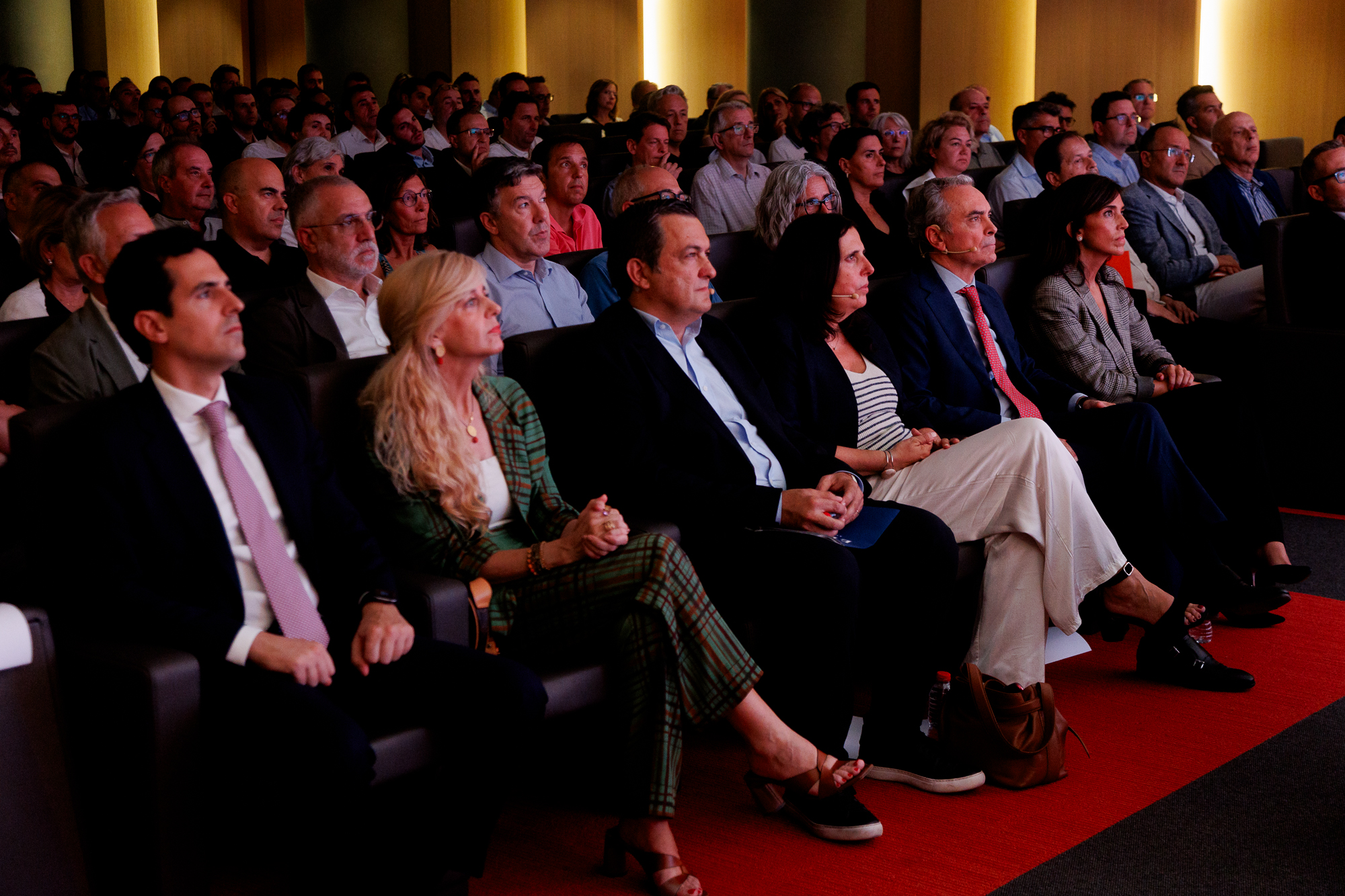
Catalonia: one step ahead in financial automation
Presentation of the 5th Bankinter CFO Frontline Report
.jpg)
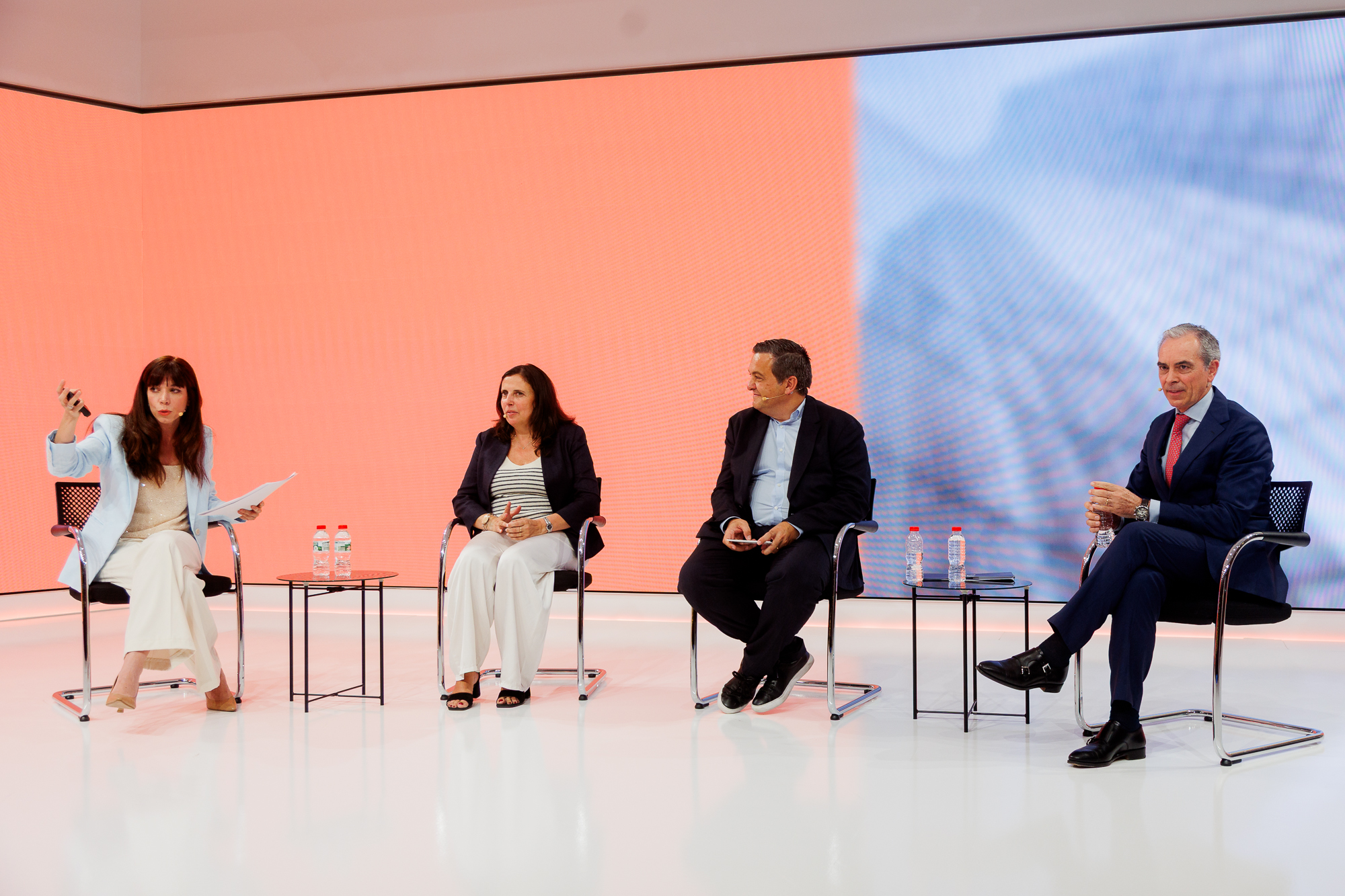
The fifth edition of the Bankinter CFO Frontline Report has focused this year on Robotic Process Automation (RPA). Where do Spanish companies stand today in terms of technological advancement? The report, after surveying 200 companies across 15 sectors, also provides a snapshot of the Spanish CFO and acts as a barometer of the sentiment within financial departments.
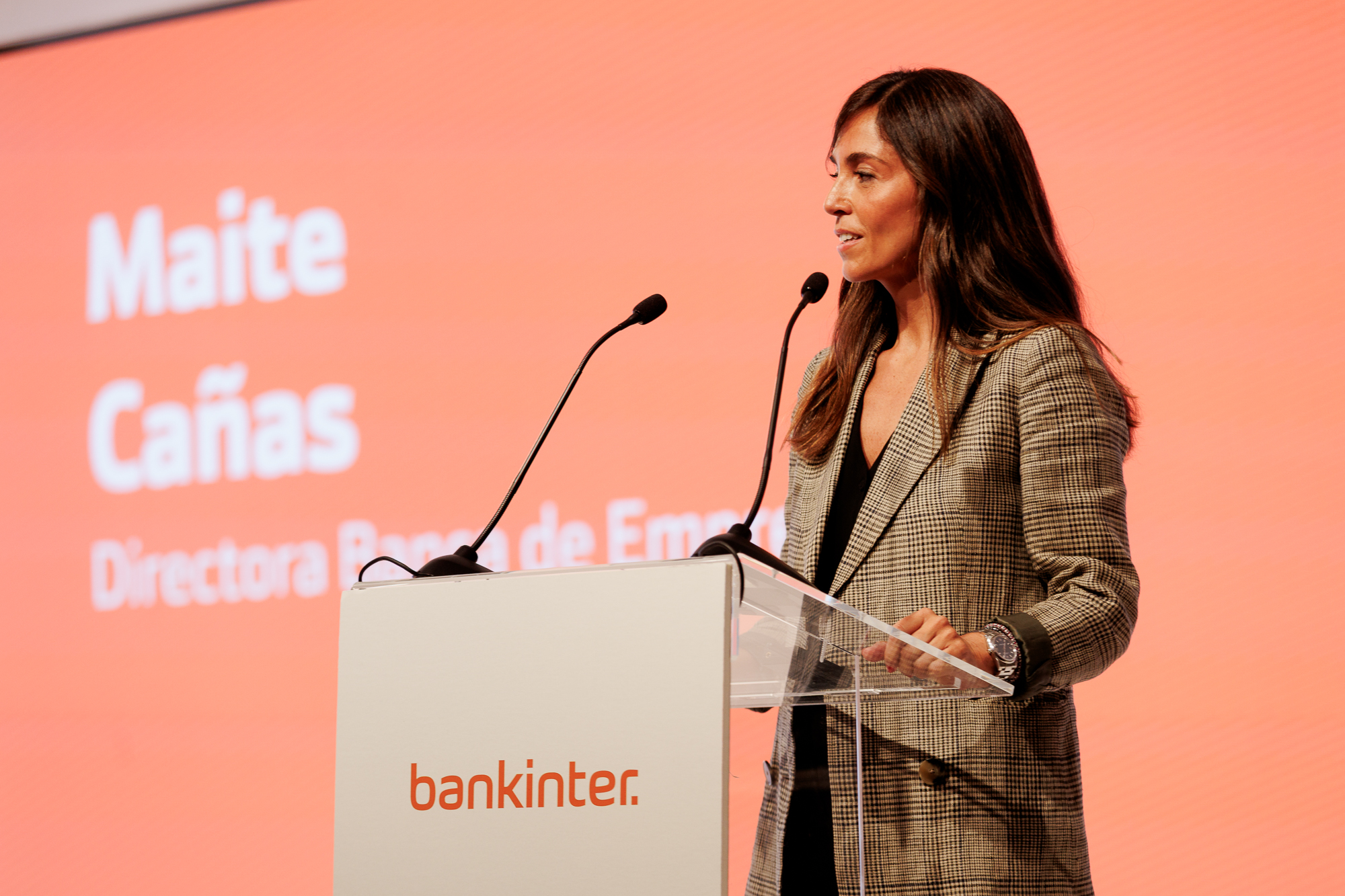
As Maite Cañas, Director of Corporate & SME Banking at Bankinter, pointed out during the presentation of the report in Barcelona, the role of the CFO has undergone a radical transformation in recent years, “shifting from a more operational oversight function to a strategic one, because ultimately CFOs are the co-pilots of CEOs”.
This transformation has been accelerated by process automation which, as Maite Cañas observes, “allows for freeing up administrative time so it can be devoted to higher-value tasks and to strategic decision-making”.
The CFO of Catalan companies according to the Frontline Report 2026
The CFO Frontline Report by Bankinter highlights some specific features in the case of Catalonia. At a Spain-wide level, the range of concerns among CFOs is very broad and it is difficult to identify a common denominator, but in Catalonia, priorities appear more organised and hierarchically structured.
The quality of information, forecasts from other departments, and the relationship with the CEO are becoming the main focus for CFOs, while purely regulatory concerns are becoming somewhat less central.
In Catalonia, we see a CFO who is connected to the business and senior management, not just to financial operations. The Catalan CFO has an agenda that is less reactive, less exposed to short-term pressures and more focused on decision-making, whereas the Spanish CFO’s role remains heavily influenced by compliance, cash flow and short-term concerns.
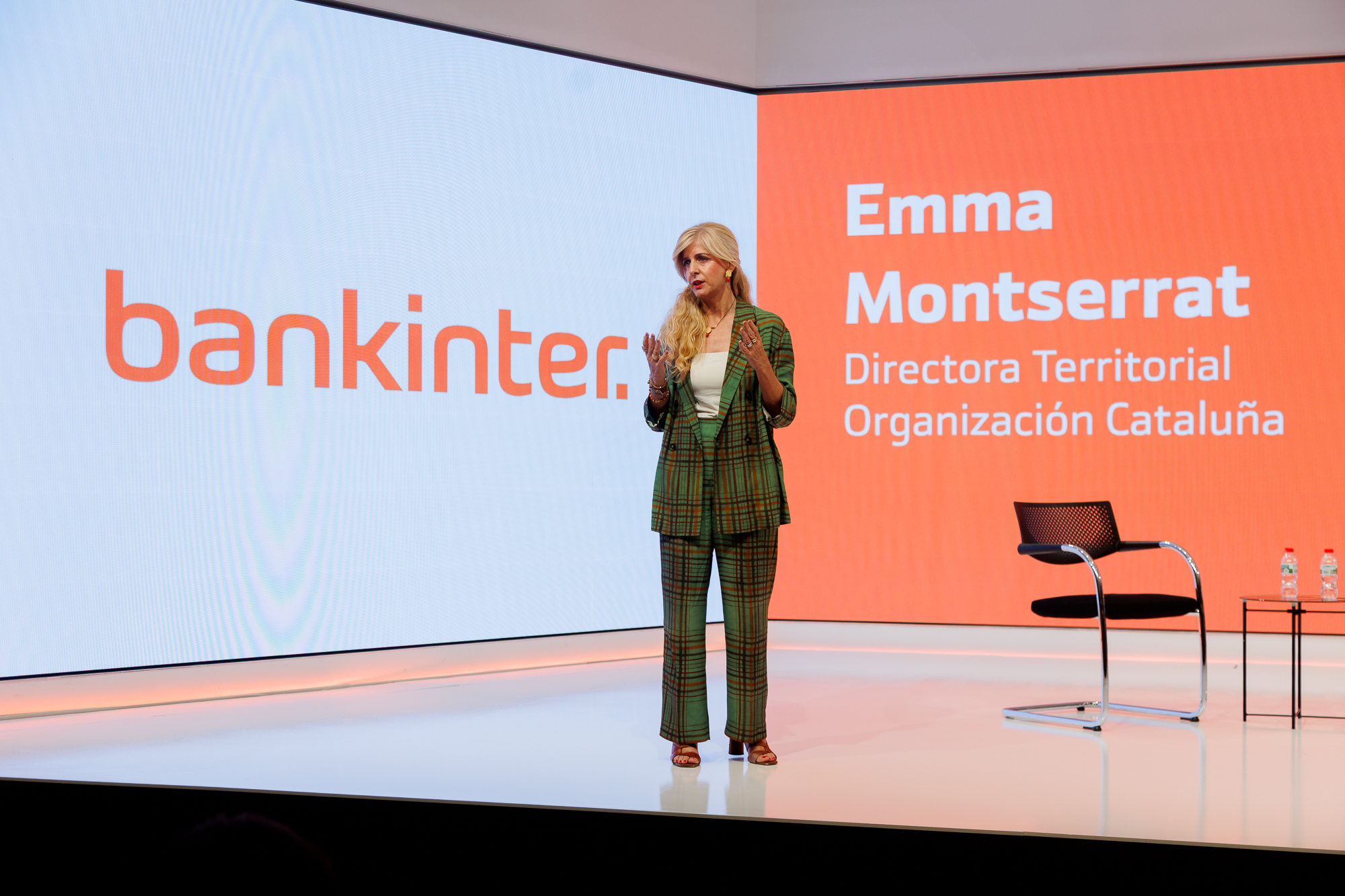
In Catalonia, the role of the CFO who is connected to the business and closely linked to the CEO, rather than solely focused on financial operations, is gaining prominence.
The 2026 report also shows that Catalan companies are larger in size than those across Spain as a whole, and that there is a higher degree of professionalisation in technology.
This advantage is probably linked to the fact that, within Catalan organisations, the finance department sees technology not as a risk factor but as a tool for real improvement, because automation is embedded in the DNA of these companies.
There is greater confidence in automation and also in in-house talent. Catalan CFOs not only trust technology: they trust their own team. Working with RPA has become the norm in internal discourse within the finance department itself. The Catalan CFO acts more as a system manager, whilst the Spanish CFO acts more as an evangelist who must convince their own organisation.
This greater structural maturity has also led to a more rapid adoption of AI and data analytics in Catalonia.
Catalan companies see RPA as a reliable and secure tool.
The 2026 report reveals greater confidence in RPA among CFOs in Catalonia. Nearly 72% of Catalan respondents see it as positive progress, compared to the national average of 65%.
Catalan CFOs give RPA a score of 8 for its regulatory and audit compliance, and 7.4 as a reliable and secure tool. Confidence in the finance team’s ability to manage these systems is higher than in Spain as a whole. Catalan CFOs also observe a greater return on investment and a faster time-to-benefit for the finance department.
In summary, this is the vision of financial automation in Catalonia according to Bankinter's CFO Frontline Report:
1. Catalonia is at a more advanced stage of the CFO's RPA journey.
2. RPA ceases to be a standalone tool and becomes part of the financial system.
3. The focus of the Catalan CFO is shifting from “doing” to “governing”.
4. Greater organisational trust and less cultural friction in Catalonia.
The focus is on people, not technology.
Have we focused too much on technology as an end in itself? At the presentation in Barcelona, the much-discussed sociological concept of FOMO (fear of missing out) hung in the air: the fear, felt by people but also by organisations, of being left behind. As Jacobo Díaz, CFO of Bankinter, pointed out during the CFOs' round table discussion, technology is not the only driver of financial transformation.
“I can put something wonderful and beautiful out there, but unless people are on board and see the return, understand the need and embrace it, it won’t go anywhere”, observed Bankinter's CFO.
The word automation generally does not cause friction, because it is associated with getting rid of a problem. But when we talk about transformation within departments, resistance arises. That’s where, says Jacobo Díaz, it’s essential for the CFO to lead change management.
“Automation and the transformation of the finance function is not a technology project; it is a leadership project. This is about people. Technology is a catalyst for change, but without a clear vision, strategy and ambition, you won't get anywhere.”
“Ultimately, the sole aim of transformation is to enable our own people to increase their capabilities and value. It’s not about replacing them with the push of a button, but rather about helping them to realise their full potential and capabilities”, he emphasised.
For Jacobo Díaz, “automation and the transformation of the finance function is not a technology project; it is a leadership project. Because this is about people, ambitions and visions – not, strictly speaking, about IT solutions. Of course, technology is a catalyst for change, but without a clear vision, strategy and ambition, you won't get anywhere, and people need to be on board”.
A key point on which all CFOs agree: automation means starting with what is most obvious and delivers the greatest return; this is how trust is built within finance teams and cultural friction is reduced.
As Marta Sans, CFO of the Hospital de Barcelona, emphasises, it is about “prioritising and involving staff, starting with a solution that delivers rapid added value and is visibly productive, so they can see that they will have time to contribute their own added value as professionals and won’t have to spend time on tasks that, nowadays, machines can do”.
“I believe it is the technology that needs to adapt to the company, not the company to the technology. That's a paradigm shift.”
What is clear to the CFOs who participated in the round table today is that technology must serve organisations, not the other way around.
“I believe it is the technology that needs to adapt to the company, not the company to the technology. That's the paradigm shift. Ultimately, with all the tools available today for designing software and technology, it is technology that must adapt to your needs”, noted Marta Sans.
Humanisation as a lever for transformation. As Francesc Torres, CFO of Elian Barcelona, explains, employees feel fear and reluctance towards change, but they are also not keen to spend their entire day reconciling figures and balancing data.
“The narrative needs to change: We are not automating jobs; we are automating tasks so that roles can evolve towards a more analytical function”, said Francesc Torres during the round table.
“Technology automates processes," said the CFO of Elian Barcelona, "but it is people who drive change". If we want to transform the finance function and organisations, we need people to be involved and we must be able to explain the vision, where we are going and the changes that will take place. We do not automate for the sake of it, but rather simplify processes so that we can focus on higher value activities for the business”.
Without quality data, automation is worthless.
Talented people, but also quality data. There can be no automation without good raw material, as the speakers at the Barcelona event pointed out.
Jacobo Díaz emphasised data quality and governance: “No matter how much technology you have, if you don't have data, it's useless.” This is accentuated by the progress of AI, where traceability and data governance are fundamental to achieving efficiency gains and scalability.
““We can have a wonderful technological solution that produces an excellent report, but if the data is missing or incorrect, we have a problem,”” said the CFO of Bankinter.
Marta Sans, from Hospital de Barcelona, particularly emphasises, given her work in the healthcare sector, the importance of data governance, confidentiality and traceability.
“The issue of data governance is critical for me”, said Francesc Torres. “If we input incorrect data, the decisions we make will be based on incorrect data. As financiers, we must help and lead that part so that, ultimately, everything speaks the same language”, he concluded.
The new role of the CFO: from always looking back to looking ahead.
If there is one thing that has changed in business in recent years, it is the role of the chief financial officer. Both the CFO and their department were focused on controlling and managing the numbers. Today, as highlighted in the CFO Frontline Report, they are broadening their horizons and positioning themselves as the co-pilot to the CEO, based on their strategic vision of the business.
“Previously, the CEO was a typical financial professional, focused on looking back, but today their strategy is about looking ahead. Being quick, making decisions, anticipating investments and future decisions with very recent data. And how do you manage to be fast? How do you achieve that speed? “By automating as much as you can”,” Marta Sans said at the presentation.
“If you're not up to date, you're not in the game today”, said the head of the Hospital de Barcelona.
“Technology enables us to move from being a department that managed, prepared and reconciled data to becoming an additional support for the business.”
For Francesc Torres, technology has enabled us to “move from being a department that managed, prepared and reconciled data to becoming an additional support for the business”, but it also poses a dilemma: what to do with the valuable time we gain through automation.
“Technology is not everything; for me, it is a facilitator of process improvement, and the key lies in how we use the time we save. It's not just about technology for its own sake or cutting down on time, but what do I do with that”, emphasised the CFO of Elian Barcelona.
Choosing a supplier: technology serving the company.
The range of offerings from suppliers is infinite and increasingly expensive, and the decision is also becoming more and more difficult. The need to invest in AI has made matters even more complex.
One of the new developments mentioned in Barcelona is how financial institutions themselves are becoming facilitators and consultants in this automation process.
“The bank is also developing and can help you. It is valuable for the bank to communicate the new developments it has introduced for customers. And it's also important for you to explain to the bank what you need, because the bank also has its own areas of technology and knows how to gather customers' needs. The bank itself can offer you technology”, noted the CFO of Hospital de Barcelona.
In fact, the Bankinter CFO Frontline Report on RPA offers a relevant insight into the situation in Catalonia compared to the results in Spain as a whole: The CFOs of Catalan companies have higher expectations of their relationship with their bank. More is being asked of the financial institution, not only to support them throughout the process, but also to provide concrete solutions for their day-to-day operations and for the development of the finance department.
The concept is that of the bank as a partner in automation, which starts right from the outset. Because all automation starts there, in the finance departments – the place where quick wins are generated that accelerate the entire process ahead.
“What we aim to do is first identify those famous quick wins. We try to identify processes, of which there are many in finance, from accounts payable, accounts receivable and bank reconciliations to the month-end closing process”, explained Francesc Torres of Elian Barcelona. In his opinion, this initial visibility of the benefits of automation is what builds the foundation of trust needed to move on to more complex processes.